42%fewer unsafe switching actions in storm drills
The problem
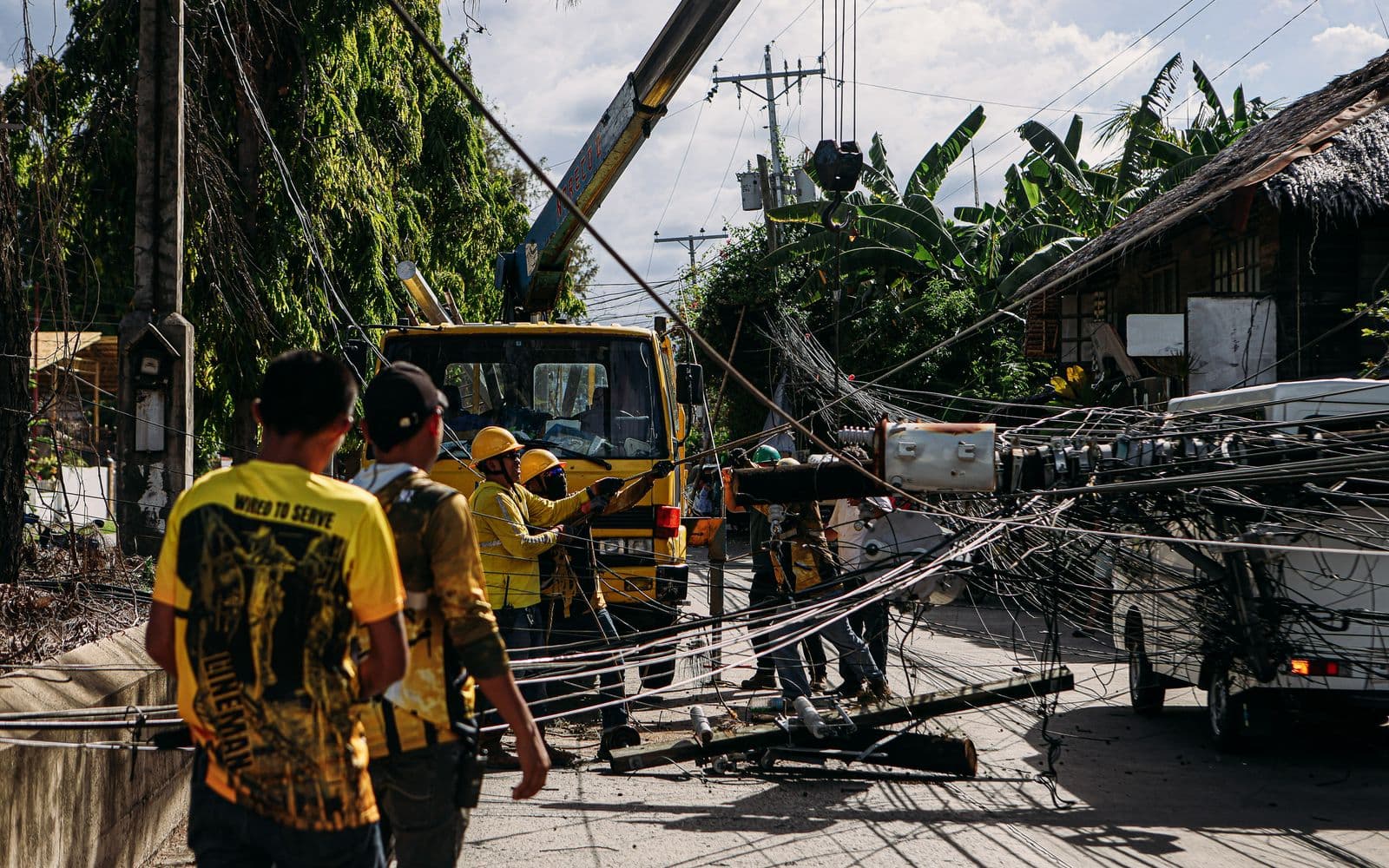
After a major storm a co-op has few crews and long rural feeders. Dispatchers sequence restoration switching under pressure, often on normal-load assumptions, and cold load pickup can trip a section that was just restored. Every wasted step costs a crew hour and keeps members in the dark.
What we ran
240 storm drills on a rural network model with damaged equipment, substation outages and realistic load, 169 of them fully scored. Each drill ran with operators alone and with the agent.
What the agent did
It reads damaged equipment and actual load, finds at-risk lines, runs contingencies on each proposed switching step, models cold load pickup instead of normal load, and suggests the sequence that restores the most members safely. The operator approves every action.
Results
| Measure | Today | With Evardi |
|---|---|---|
| Unsafe switching actions | Baseline | 42% fewer |
| Members restored | Baseline | 63% more |
| Time to catch a cold-load-pickup modeling error | About four months | About one day |
What it is worth
- Utility cash: crews × hours saved × cost per crew-hour × major storms a year
- Member value: customer-hours restored sooner × cost per customer-hour, on its own line
* Study simulated with partners on public data.
Run it on your network
Your feeder model and the outage record of one past storm. We replay that storm and show the sequence the agent would have proposed.
Book a demoSee Storm restoration on the platform
Full study
Request the full study.
The complete write-up of “More members restored per switching step, with every step checked”: method, data, results and assumptions, as a PDF. Leave your work email and we'll send it.